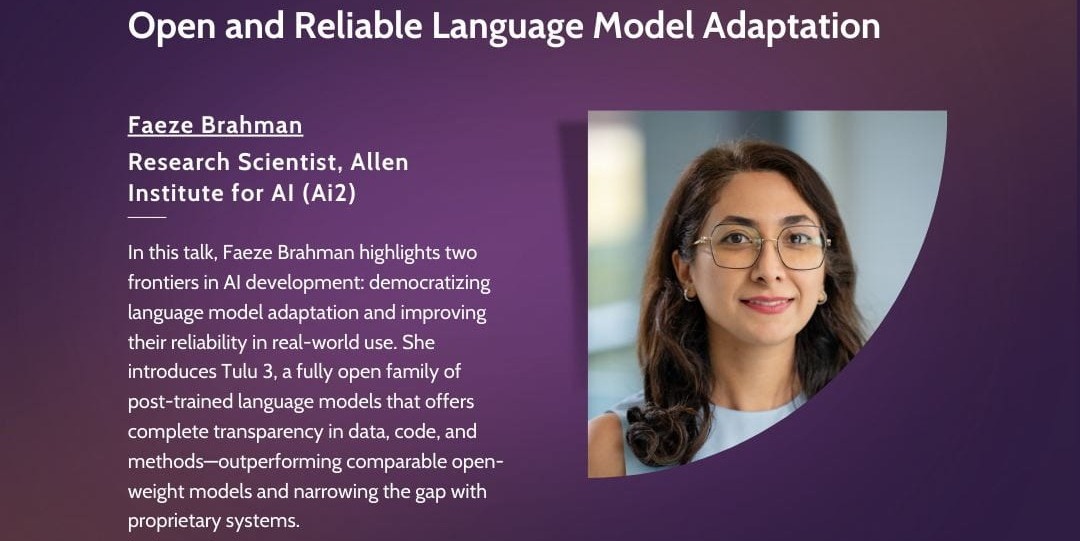
Open and Reliable Language Model Adaptation
— Faeze
In this talk, Faeze explores two crucial frontiers in AI development: democratizing language model adaptation and enhancing their reliability in real-world deployment. She introduc…
Weekly talks, hack days, and symposia on responsible AI — open to all.
— Faeze
In this talk, Faeze explores two crucial frontiers in AI development: democratizing language model adaptation and enhancing their reliability in real-world deployment. She introduc…
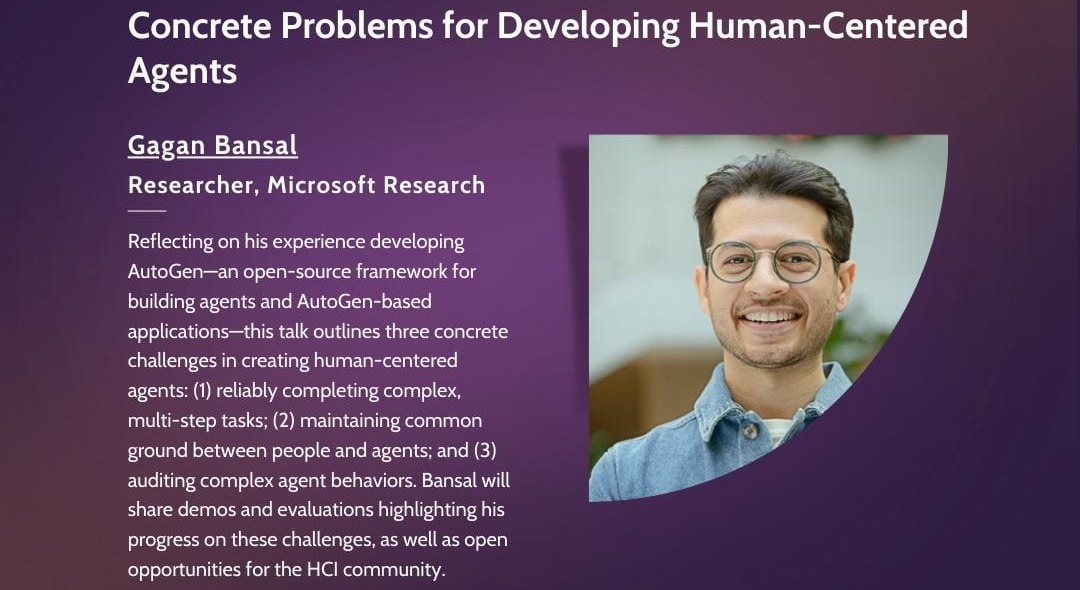
— Gagan
Reflecting on his experience developing AutoGen—an open-source framework for building agents and AutoGen-based applications—this talk outlines three concrete challenges in creating…
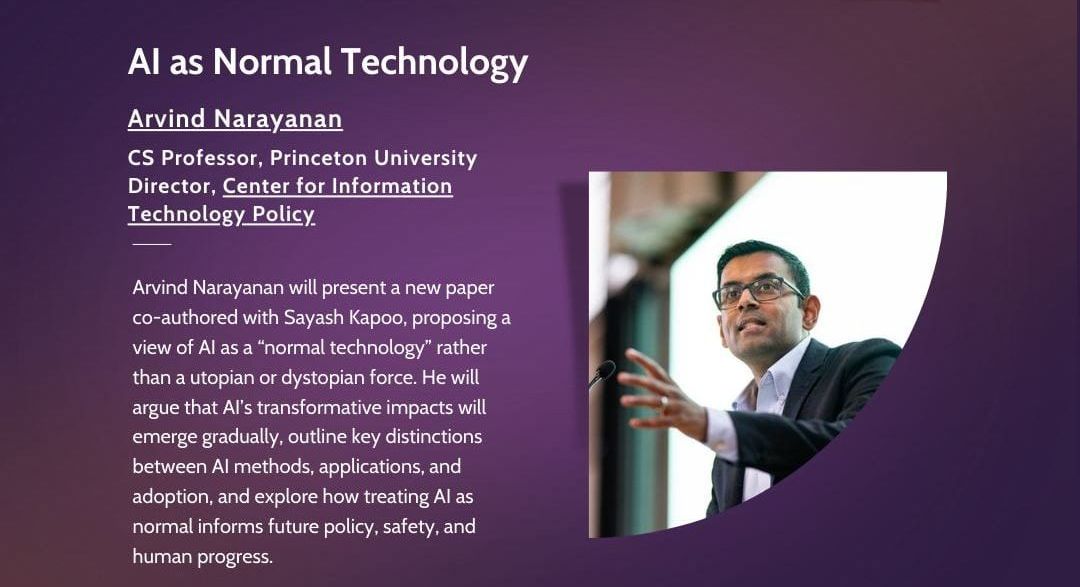
— Guest Speaker
Arvind Narayanan will present a new paper co-authored with Sayash Kapoo, in which they articulate a vision of artificial intelligence as a “normal technology,” standing in contrast…
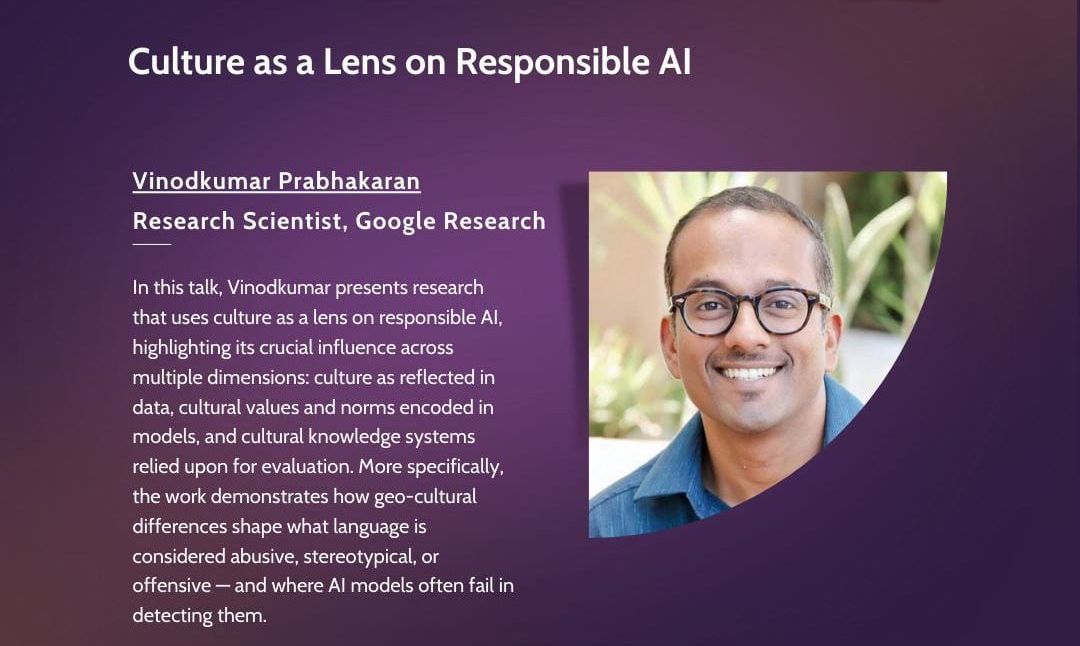
— Dr. Prabhakaran
AI technologies are often developed within mono-cultural development contexts, but are meant to interact with multi-cultural usage contexts with divergent values, knowledge systems…
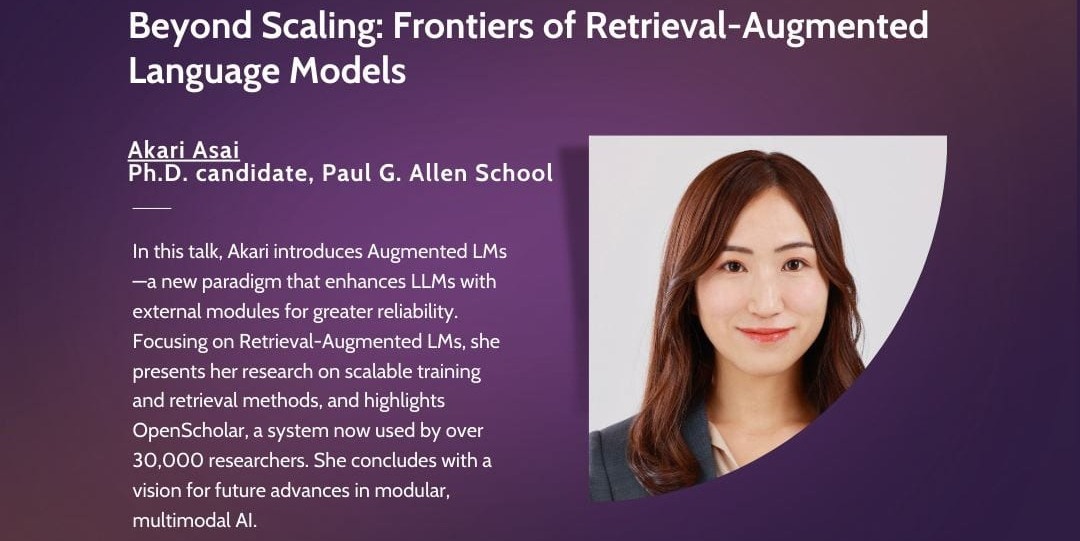
— Guest Speaker
Despite their success, Large Language Models (LLMs) remain limited by issues like hallucination and outdated knowledge. In this talk, Akari introduces Augmented LMs—a new paradigm …
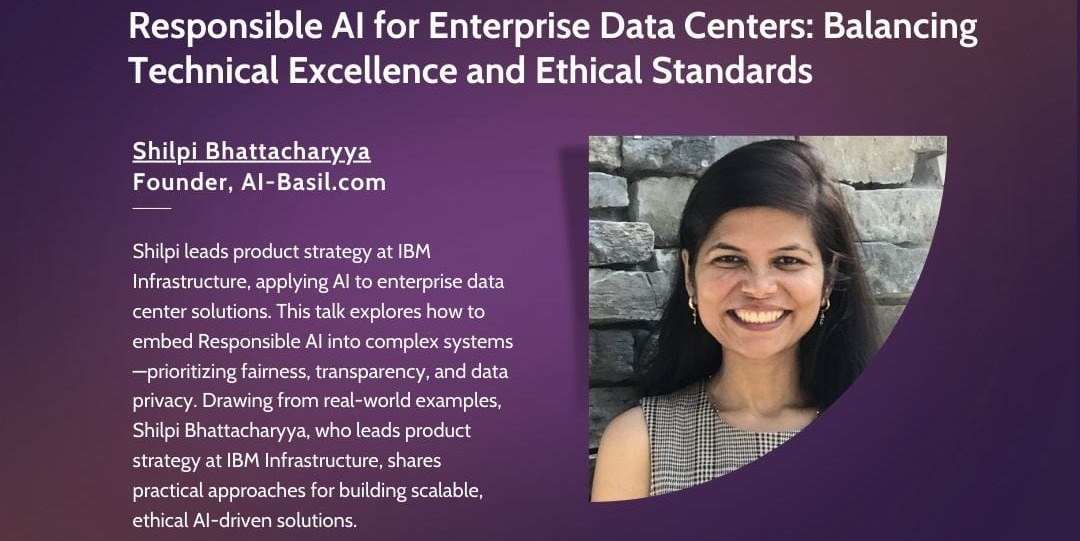
— Shilpi
As AI transforms enterprise data center infrastructure, product managers face a critical challenge: driving innovation while upholding ethical standards. This session explores how …
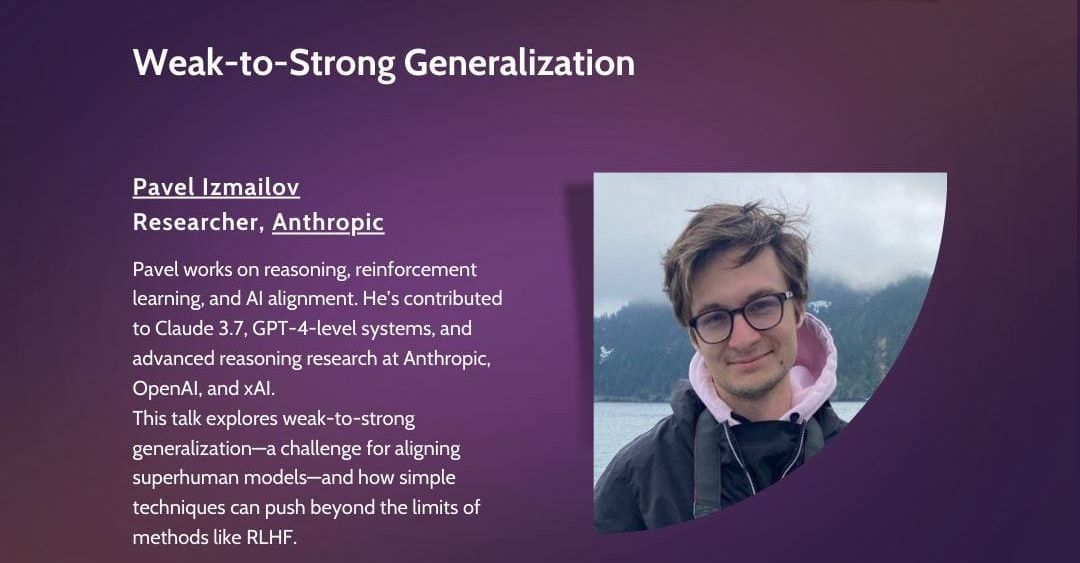
— Pavel
As AI systems grow more capable, aligning them becomes increasingly challenging—especially when their behavior outpaces human understanding. This talk explores weak-to-strong gener…
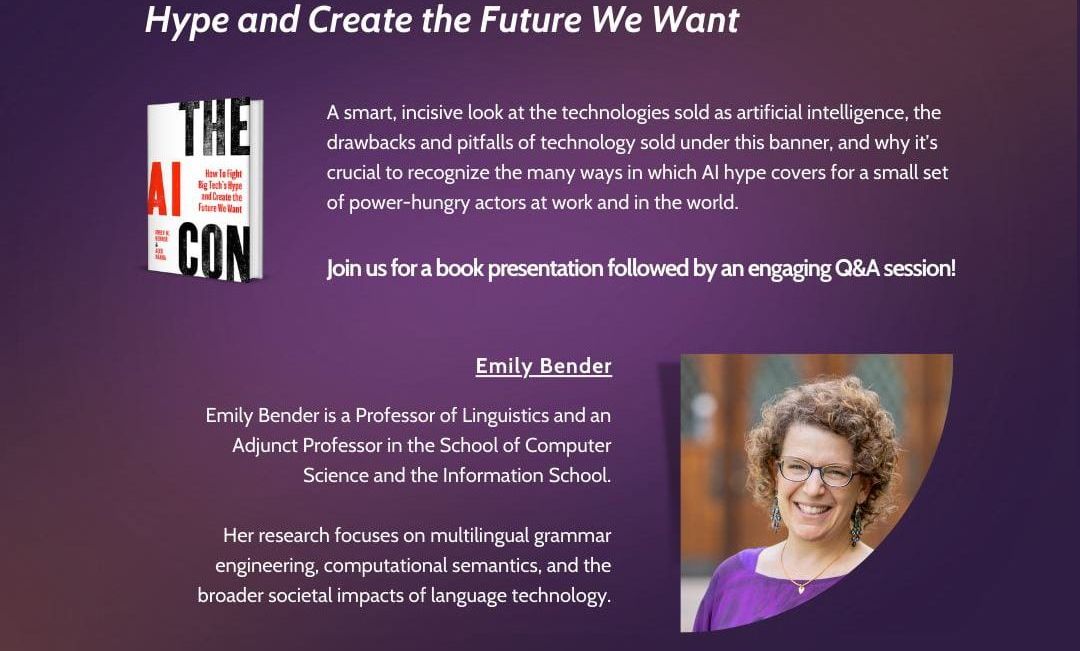
— Emily
A smart, incisive look at the technologies sold as artificial intelligence, the drawbacks and pitfalls of technology sold under this banner, and why it’s crucial to recognize the m…
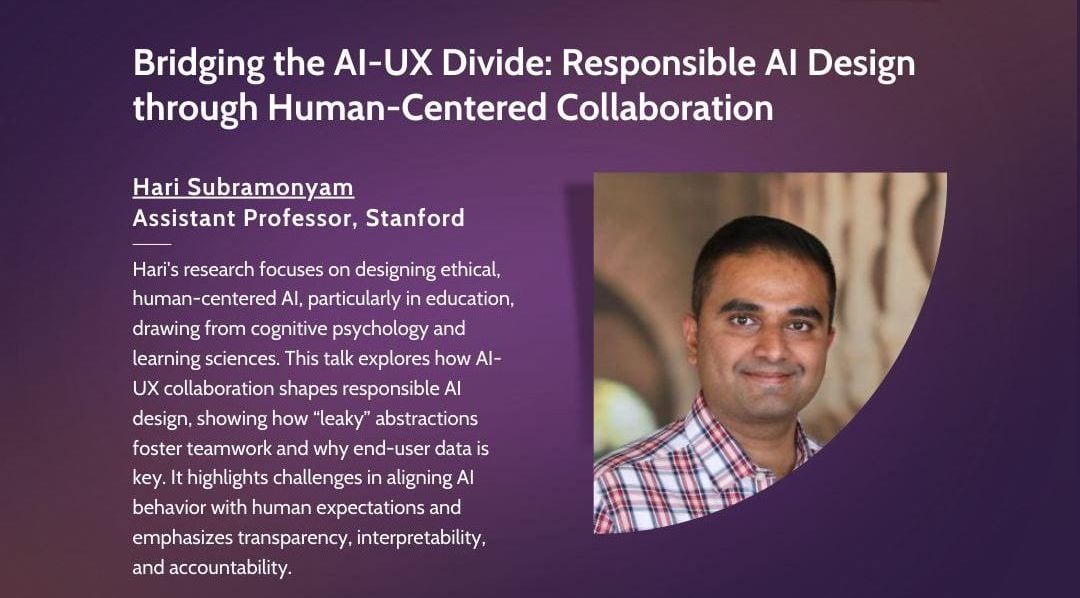
— Hari
In traditional software development, UX design and engineering are distinct: designers create specs, and engineers build them. AI blurs this line, as systems evolve dynamically wit…
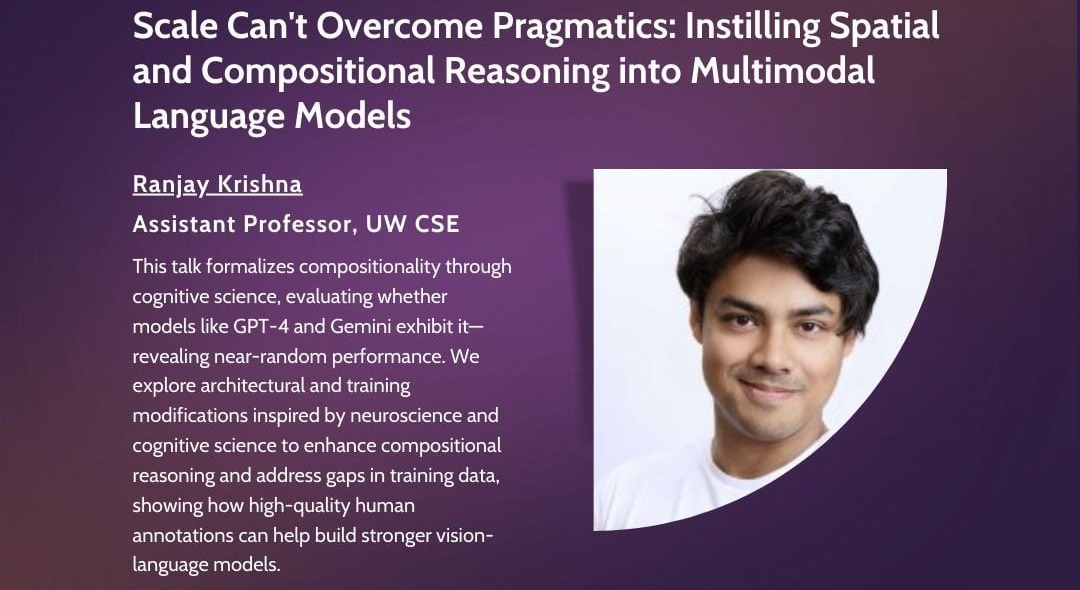
— Ranjay
Compositionality is key to human vision and language, allowing us to interpret new scenes and sentences by combining familiar elements. While past research incorporated composition…
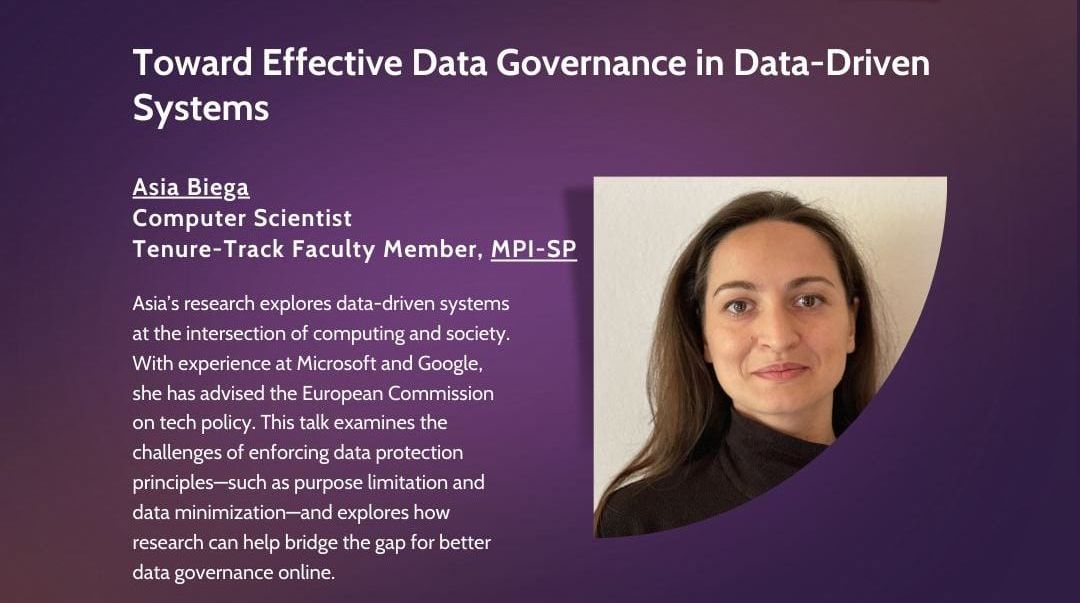
— Asia
Contemporary AI systems are characterized by extensive personal data collection despite the increasing societal costs associated with such practices. To prevent harm, data protecti…
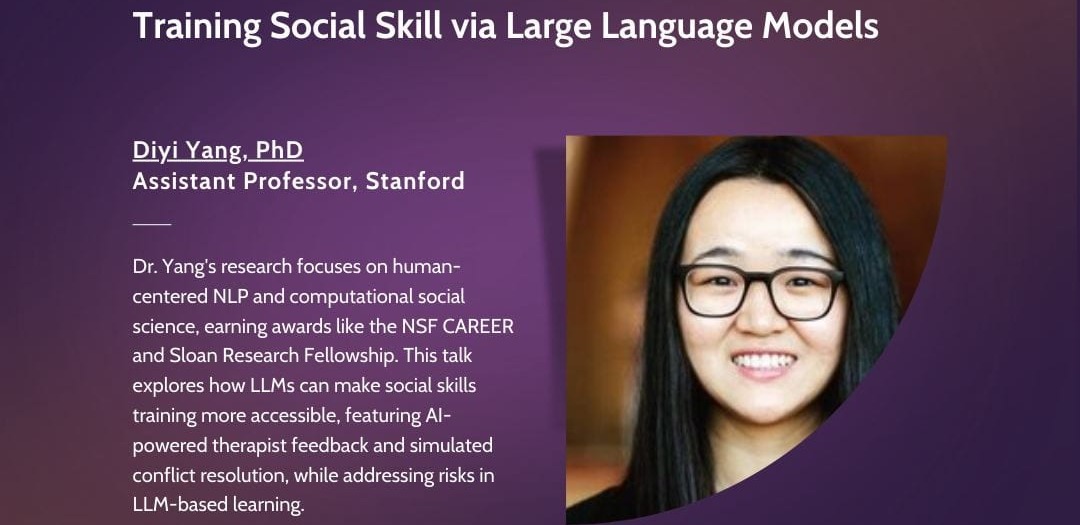
— Dr. Yang
Social skills are key to success in work and life, but finding good practice opportunities isn’t easy. Most training relies on expert supervision, which doesn’t scale well given th…
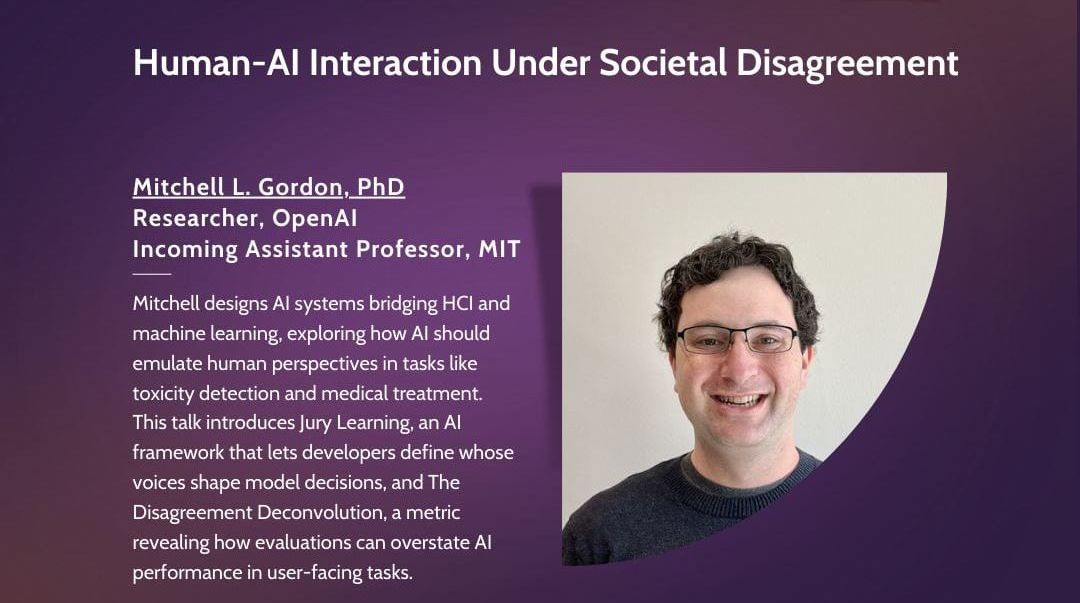
— Michael
How can we better model human attitudes and behaviors? Traditional simulations often fail to capture the complexity of human behavior, but AI opens up new possibilities. In this ta…
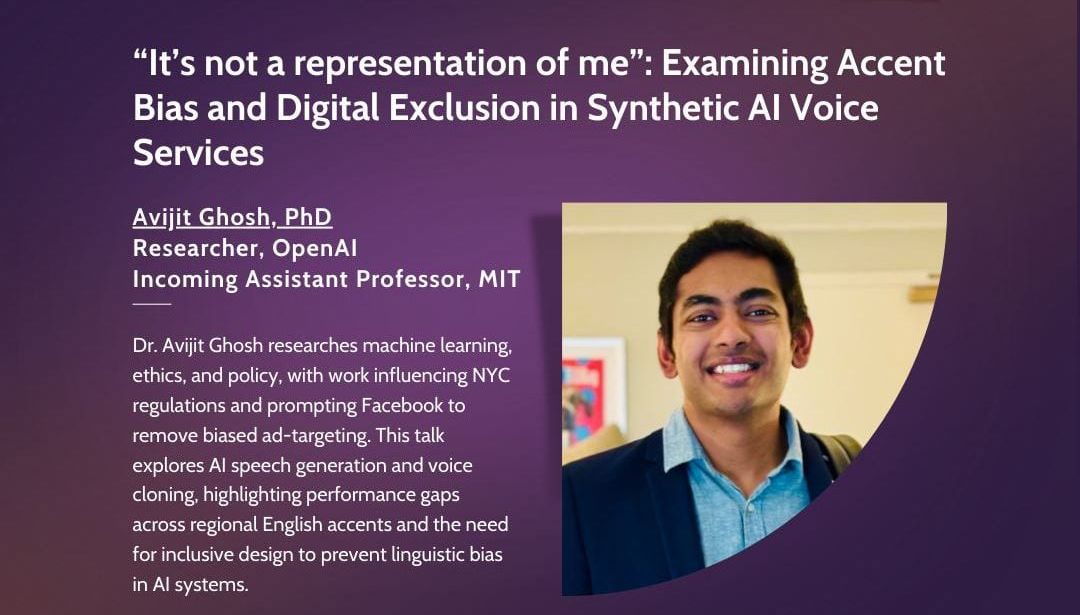
— Dr. Avijit Ghosh
AI speech generation and voice cloning technologies produce natural speech but may reinforce accent discrimination. A study of two synthetic AI voice services (Speechify and Eleven…
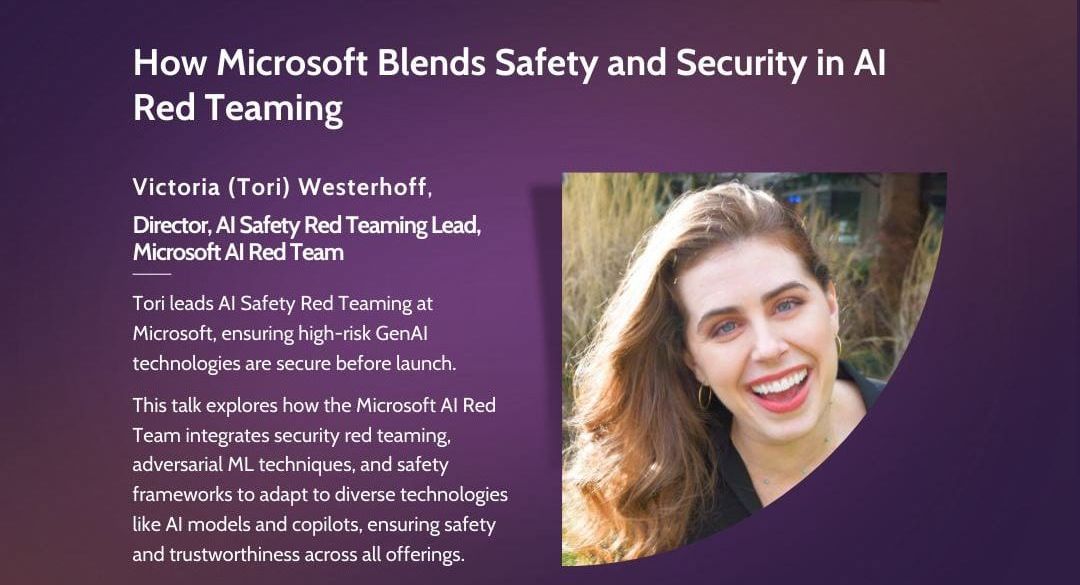
— Tori
The Microsoft AI Red Team (AIRT)’s principles and methods combine security red teaming practices and adversarial ML techniques, with safety frameworks and perspectives. This talk w…
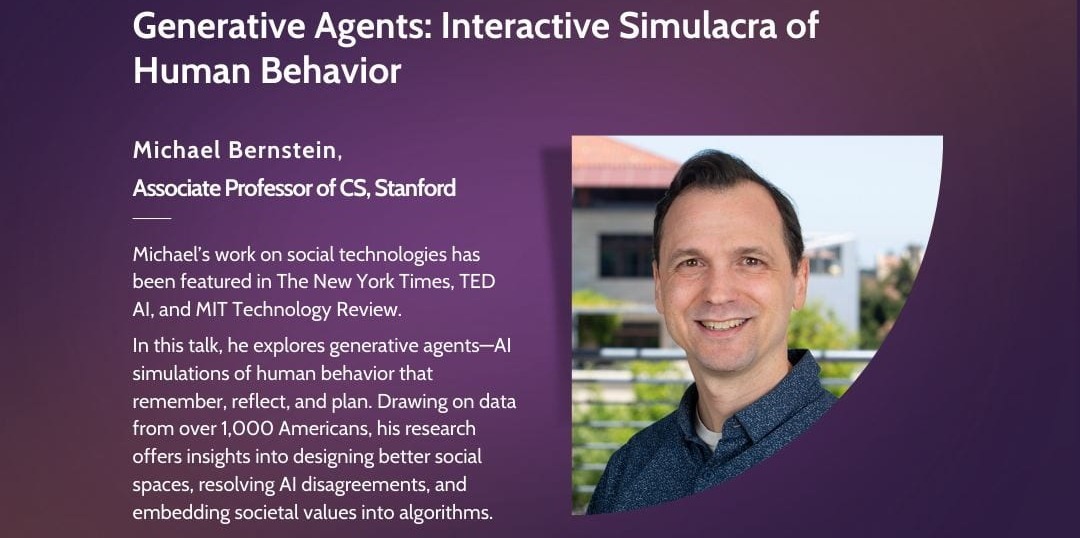
— Michael
How can we better model human attitudes and behaviors? Traditional simulations often fail to capture the complexity of human behavior, but AI opens up new possibilities. In this ta…
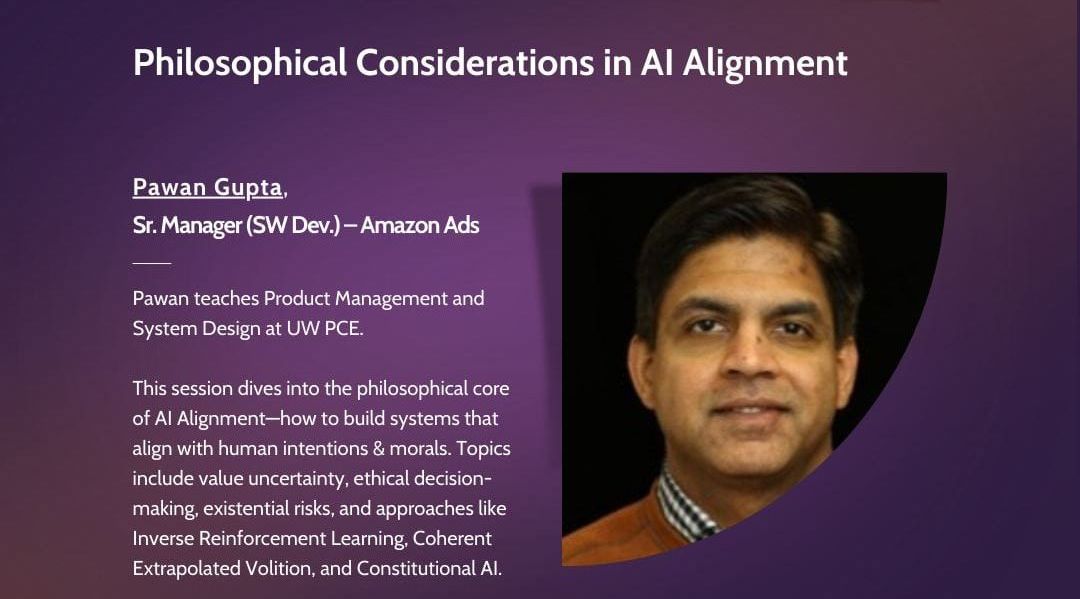
— Pawan
The rapid rise of artificial intelligence brings challenges in ensuring it aligns with human values and ethics. This session dives into the philosophical core of AI Alignment—how t…
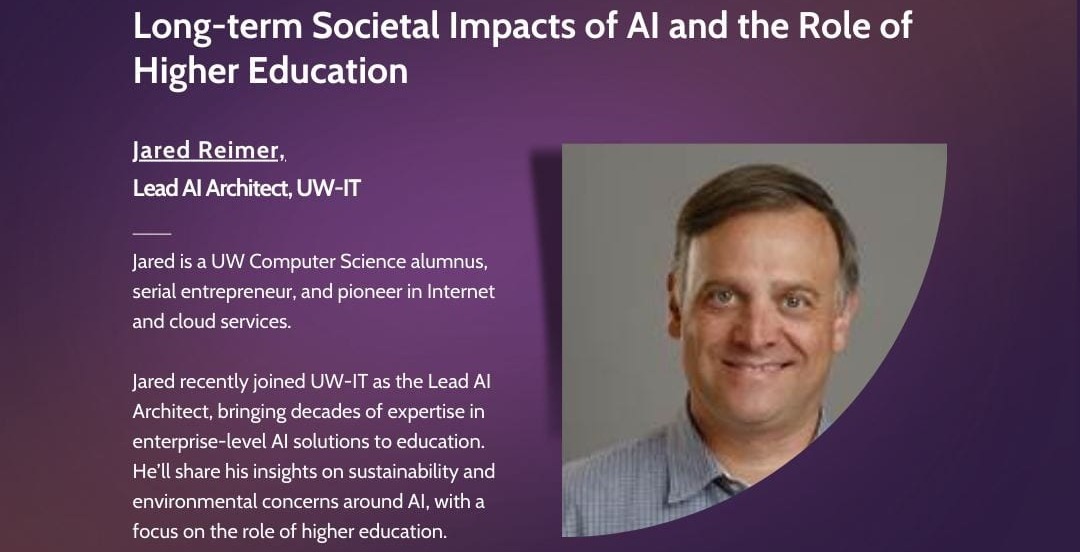
— Jared
Jared recently joined UW-IT as the Lead AI Architect, bringing decades of expertise in enterprise-level AI solutions to education. He’ll share his insights on sustainability and en…
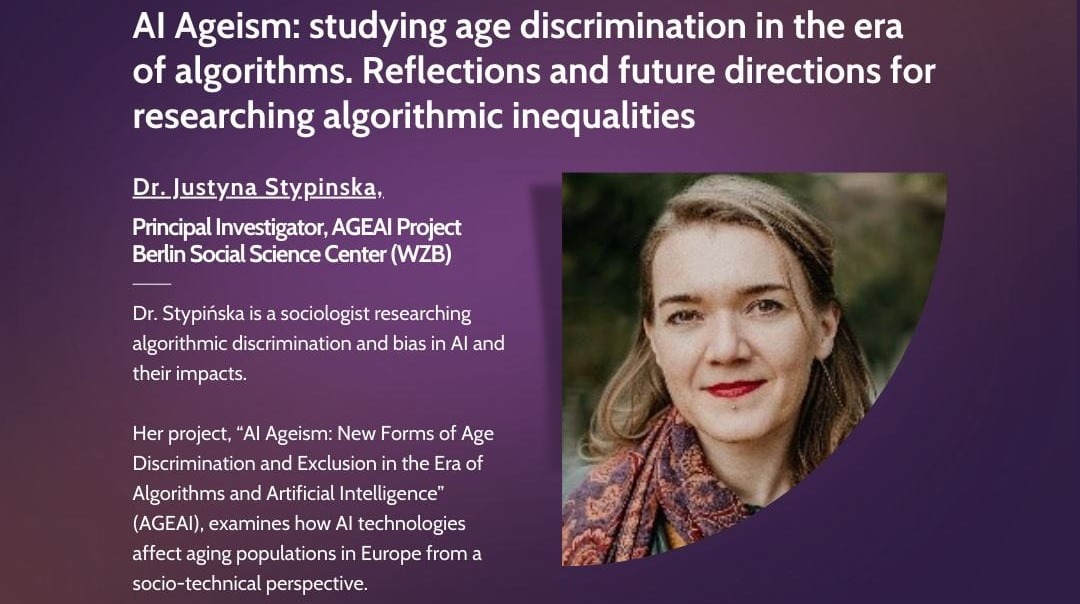
— Dr. Stypińska
In this talk, Dr. Stypińska will present findings from her AGEAI research on AI ageism, supported by empirical data from Germany, Spain, Great Britain, Poland, and the Netherlands.…
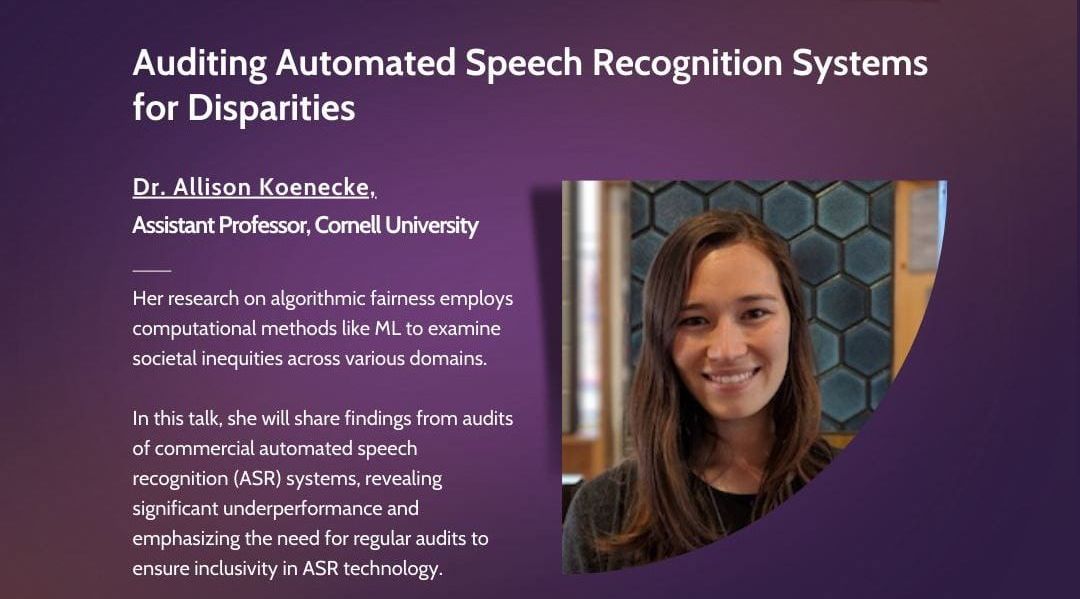
— Dr. Allison Koenecke
Automated speech recognition (ASR) systems convert spoken language to text across applications, but Allison’s audit of commercial ASR systems (e.g., OpenAI, Amazon, Apple, Google, …
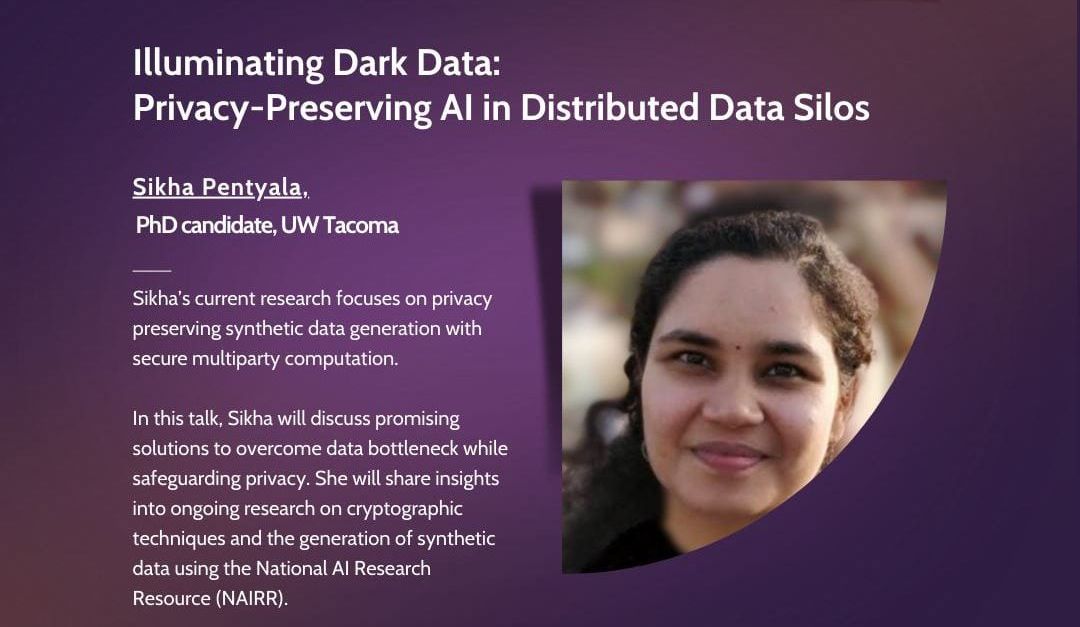
— Sikha
Data is the lifeblood of AI. However, much of the most valuable data in the nation requires tight access control due to its sensitivity. As a result, AI remains heavily underutiliz…
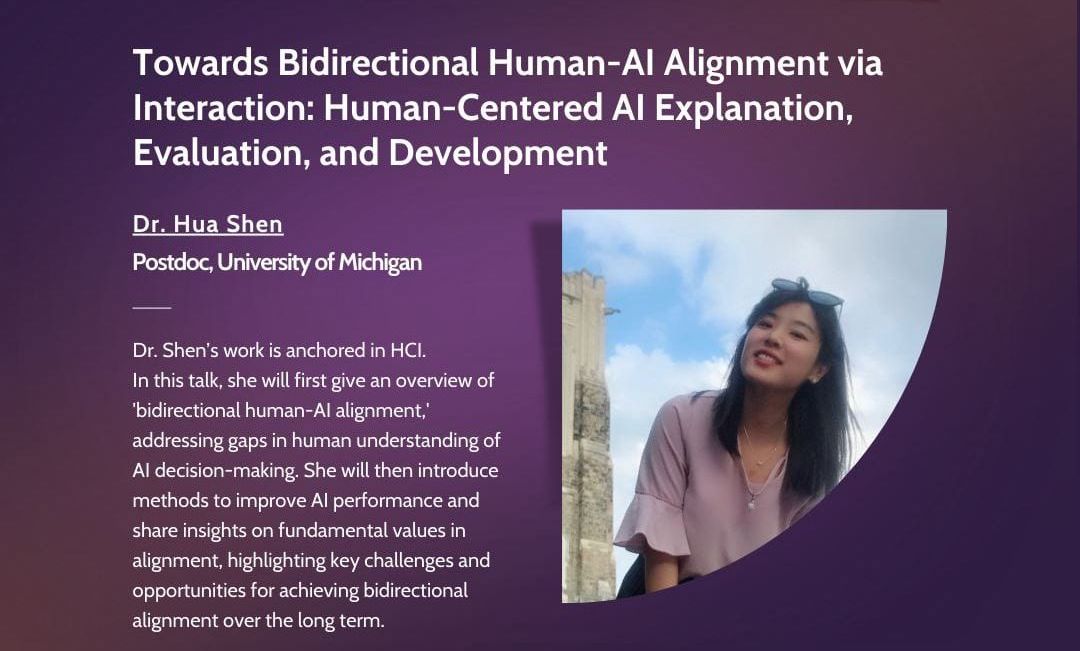
— Dr. Shen
In this talk, Dr. Shen will provide a comprehensive overview of “bidirectional human-AI alignment,” starting with gaps in how humans understand AI decision-making. She will discuss…
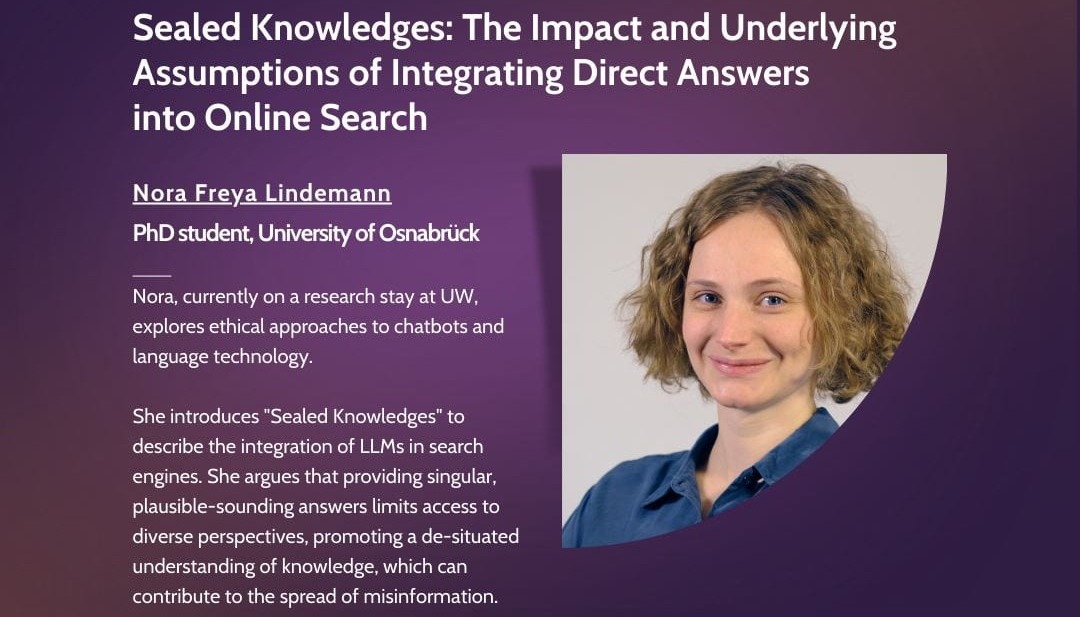
— Nora
The integration of large language models (LLMs) to provide direct answers to online search queries signals a significant change in online search. Questioning the implications of th…
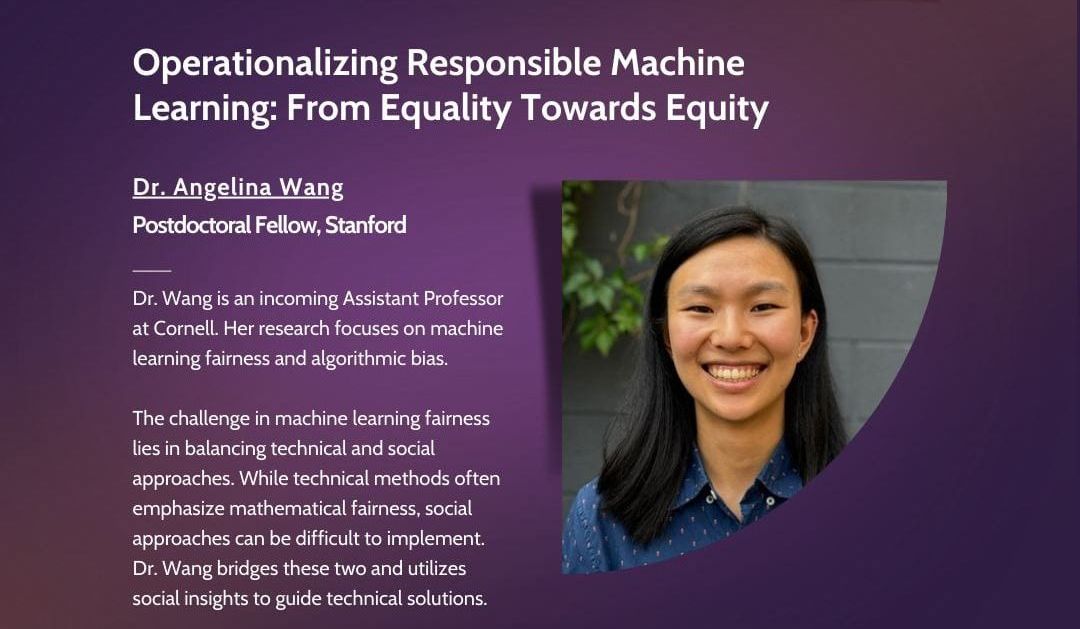
— Dr. Wang
With the widespread proliferation of machine learning, there arises both the opportunity for societal benefit as well as the risk of harm. Approaching responsible machine learning …

— Dr. Do Yoon Kim
More broadly, he is interested in how knowledge flows across organizational boundaries, and firm strategies/government policies that can facilitate efficient transfers of knowledge…
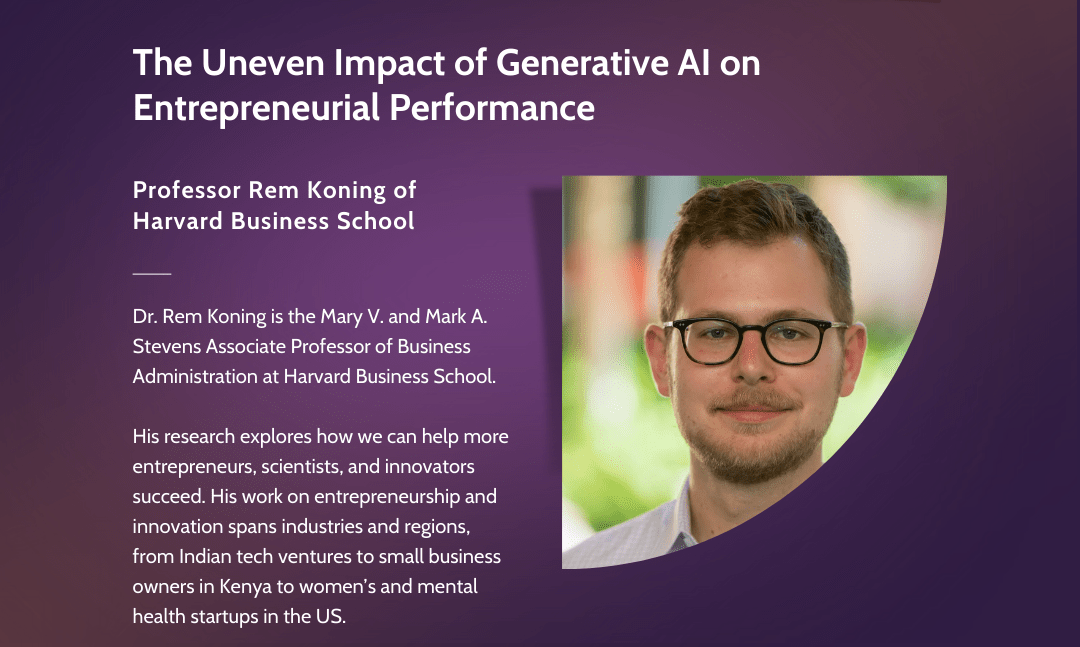
— Dr. Rem Koning
Building on this work, he is the co-director and co-founder of the Tech for All lab at The Digital, Data, and Design (D^3) Institute at Harvard, where he leads a group of interdisc…
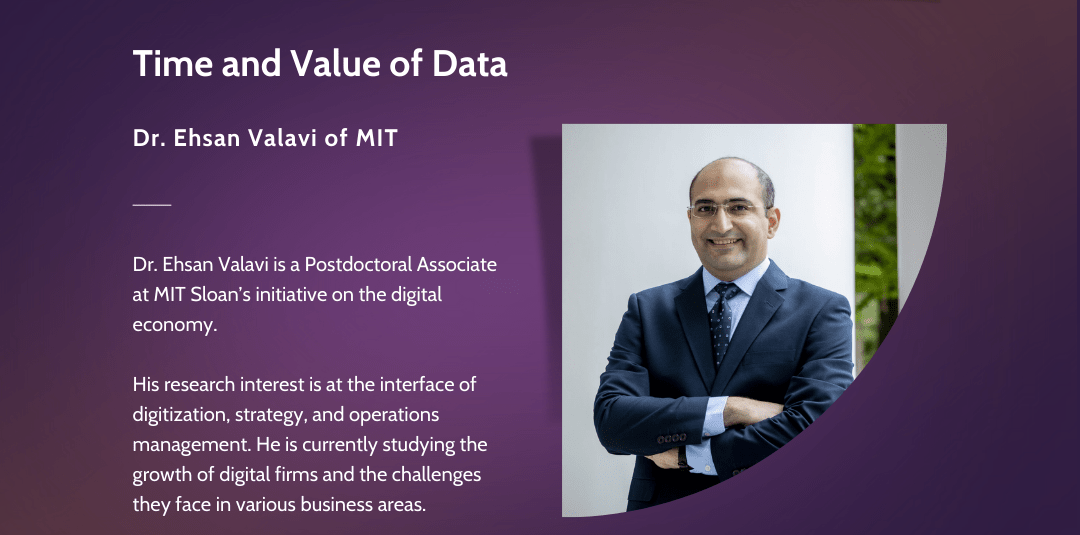
— Dr. Ehsan Valavi
His research interest is at the interface of digitization, strategy, and operations management. He is currently studying the growth of digital firms and the challenges they face in…
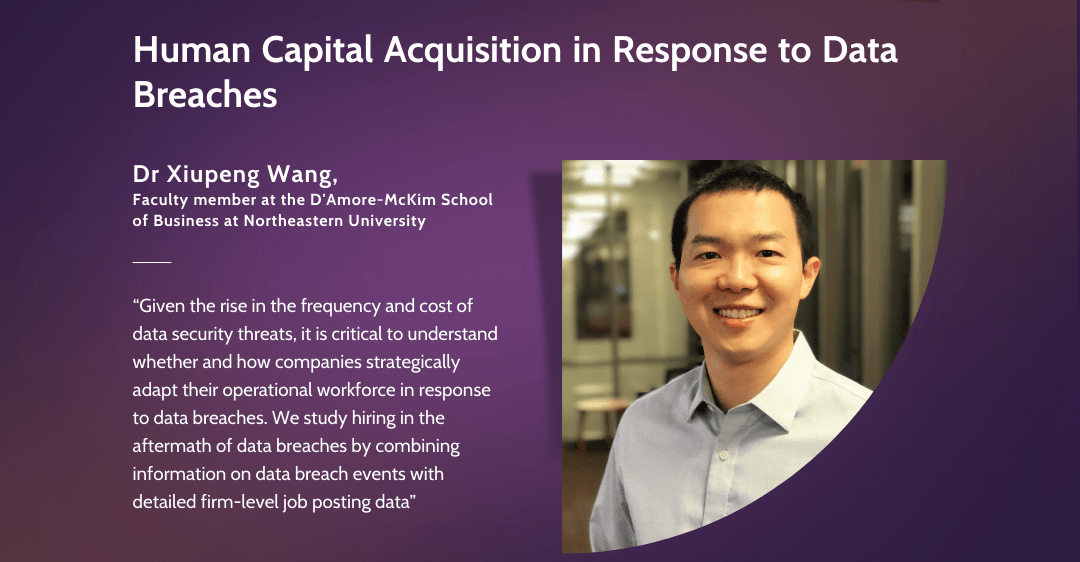
— Dr. Xiupeng Wang
Given the rise in the frequency and cost of data security threats, it is critical to understand whether and how companies strategically adapt their operational workforce in respons…
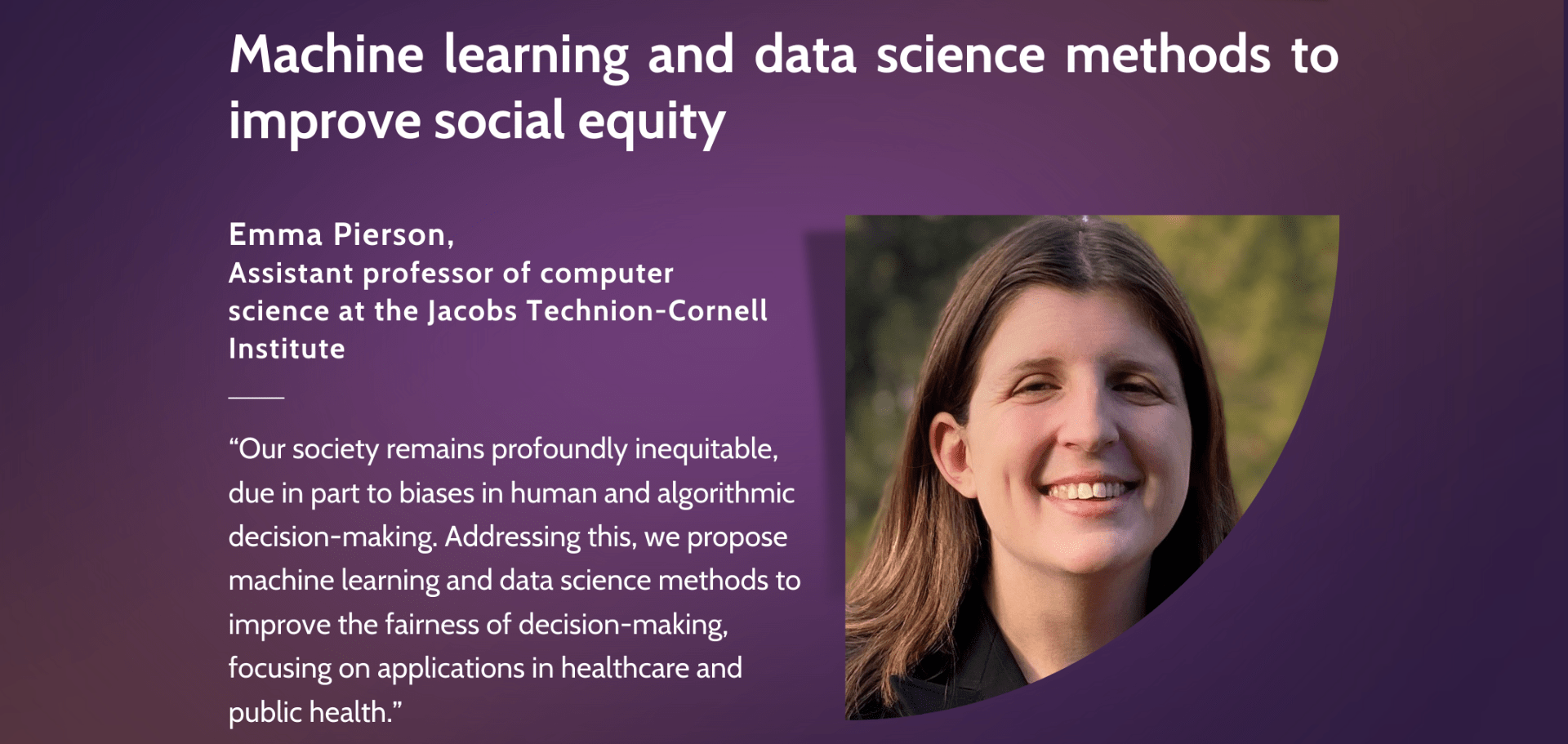
— Guest Speaker
In AI & ML, participatory approaches hold promise to lend agency and decision-making power to marginalized stakeholders. But what does meaningful participation look like in practic…